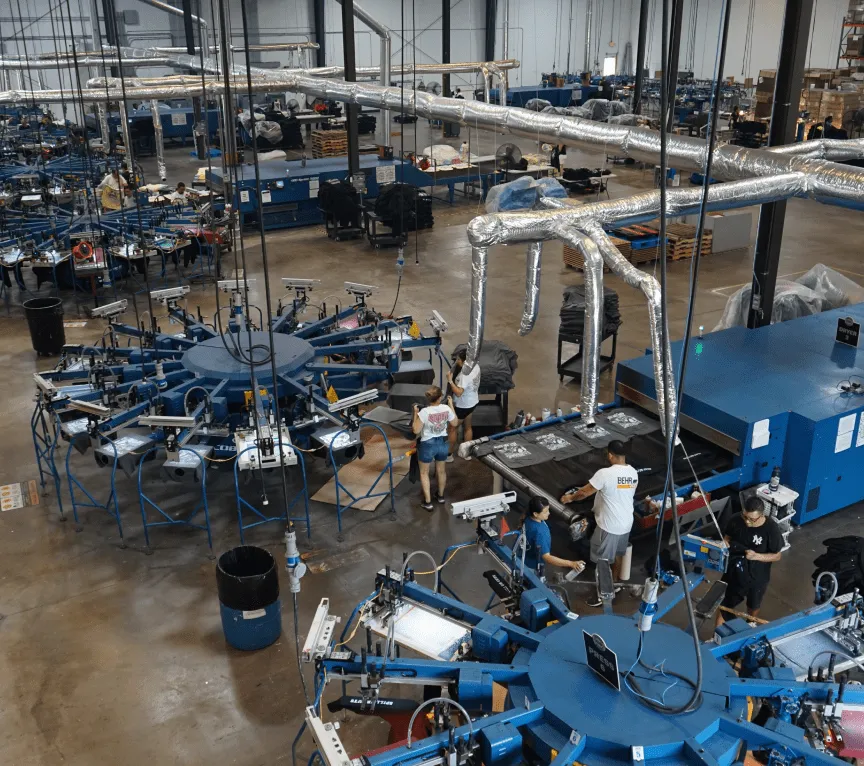
If you've ever watched an experienced press operator, you'll notice something right away—they don't seem to move much.
They're not rushing around the press. They're not constantly walking to grab tape, ink, squeegees, or screens. Everything they need is within arm's reach.
That's not laziness.
That's efficiency.
One of the biggest productivity killers in a screen printing shop isn't slow equipment or complicated jobs. It's unnecessary movement.
Every Extra Step Adds Up
Walking doesn't print shirts.
Every time an operator leaves the press to grab tape, refill ink, find a scraper, or hunt down a missing screen, the press isn't producing anything.
One trip might only take 20 or 30 seconds.
Do that 40 or 50 times during the day and you've lost 20–30 minutes of production without even realizing it.
Multiply that over weeks, months, and years, and you're talking about thousands of dollars in lost capacity.
Motion Waste is Real
Lean manufacturing identifies this as motion waste—one of the eight wastes found in manufacturing.
Motion waste is any unnecessary movement that doesn't add value to the product.
Examples include:
- Walking across the shop for tape
- Looking for tools
- Searching for the correct screen
- Reaching across the press because supplies aren't organized
- Constantly bending over or twisting to grab materials
None of these activities make the print any better.
They simply steal time and energy from the operator.
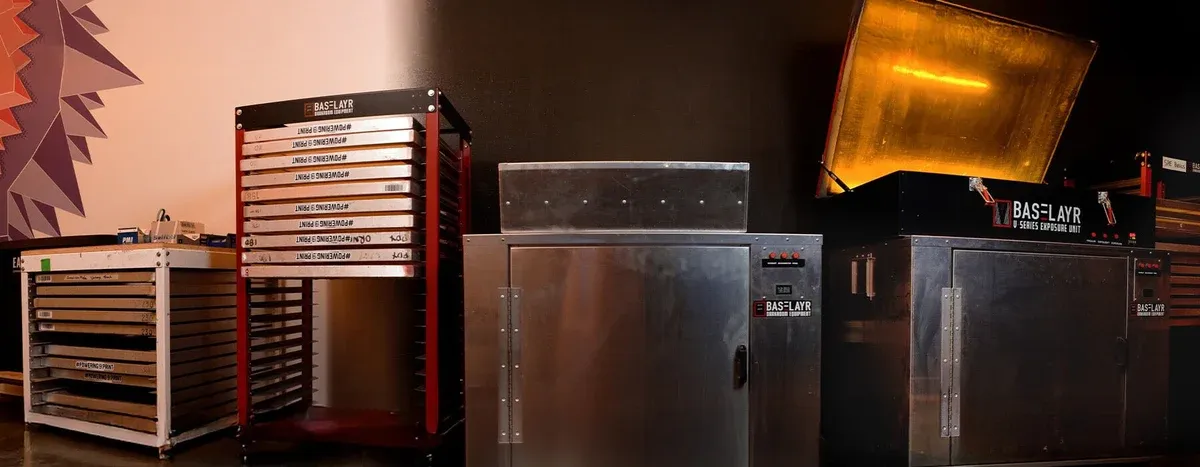
The Goal Isn't to Work Harder
A lot of shops unintentionally reward people for staying busy.
But being busy and being productive are two different things.
The goal isn't to make operators hustle.
The goal is to eliminate the reasons they have to hustle in the first place.
A well-organized press lets the operator stay focused on printing instead of chasing supplies.
Organize the Press Like a Work Cell
One of the core Lean ideas is creating a work cell—a space where everything needed to complete a task is located nearby.
Think about what an operator uses during every setup:
- Screens
- Squeegees
- Flood bars
- Tape
- Ink cards
- Scrapers
- Test garments
- Adhesive
- Shop towels
If these items are stored in different corners of the shop, the operator becomes a professional walker instead of a printer.
Instead, dedicate a press cart or workstation that travels with the operator.
Everything should have a home.
When every tool has a designated place, setup becomes almost automatic.
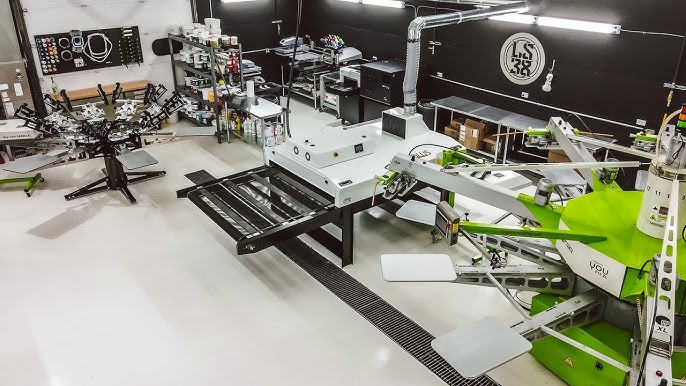
Layout Matters More Than You Think
Many shops grow organically.
A shelf gets added here.
The ink rack moves there.
Someone stores tape wherever there's room.
After a few years, nobody notices how inefficient the layout has become because they're used to it.
Take a few minutes and simply watch someone perform a setup.
Count how many times they leave the press.
Better yet, count the number of steps they take.
You'll probably be surprised.
Sometimes moving a tool cabinet five feet can save hundreds of steps every day.
Standardize Your Setup
Fast setups rarely happen by accident.
They're planned.
One practice we recommend is staging every job before the operator even reaches the press.
Screens should already be labeled in print order.
Squeegees should be selected.
Flood bars should be ready.
Ink should be mixed.
All necessary tools should already be on the press cart before setup begins. This approach dramatically reduces wasted motion and helps keep setups consistent from operator to operator.
When setup becomes predictable, it also becomes faster.
Small Improvements Create Big Results
You don't need to redesign your entire shop overnight.
Start small.
Ask questions like:
- Can we move frequently used supplies closer?
- Can every press have its own setup cart?
- Can we stage jobs before setup begins?
- Can operators finish an entire setup without leaving the press?
Every unnecessary trip you eliminate is time you give back to production.
Final Thoughts
Lean manufacturing isn't about making people work faster.
It's about removing everything that slows them down.
A press operator's value comes from running the press—not walking around the shop looking for tools.
The less distance they travel, the more shirts they print.
Sometimes the fastest press upgrade isn't a new machine.
It's simply taking fewer steps.