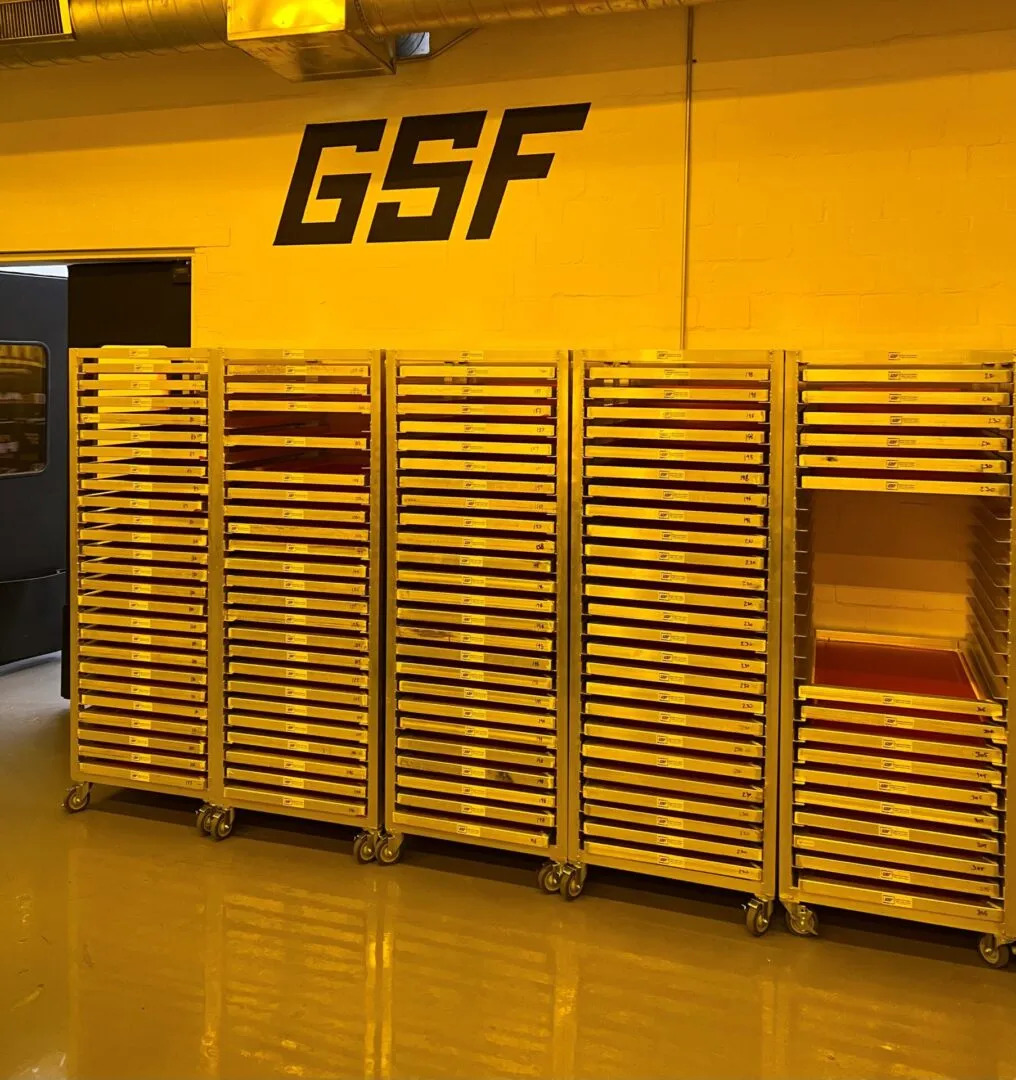
Every screen printing shop wants smoother production, fewer surprises, and more time spent printing instead of scrambling. One of the biggest factors that determines whether your shop runs proactively or reactively starts in a place that doesn't always get the attention it deserves—the screen room.
A well-run screen room doesn't just supply screens. It sets the pace for the entire shop.
Stay Ahead by Keeping Screens Ready
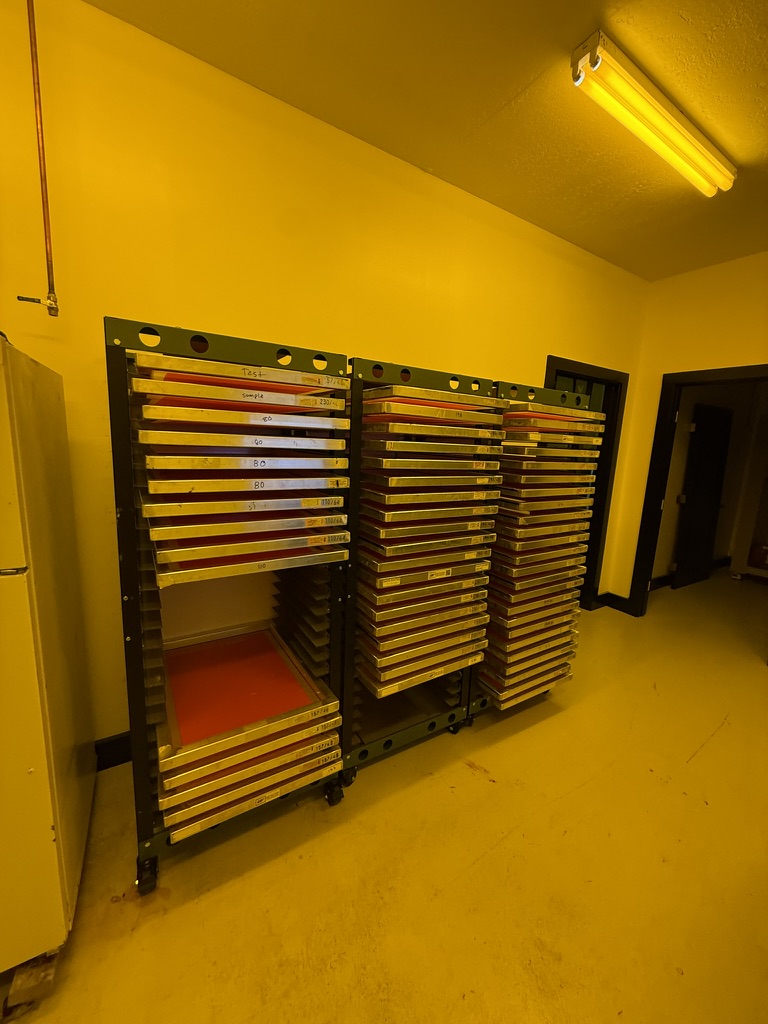
One of the best habits a shop can build is maintaining a surplus of clean, coated screens that are ready for imaging. When you always have screens waiting to be burned, your team isn't limited by what's immediately due. Instead, you can prepare screens for multiple jobs whenever artwork is approved.
That flexibility is huge.
Instead of asking, "What can we print today?" you're asking, "What's the best job to run next?" That's a much better position to be in.
Preparation Creates Better Scheduling
The more work that's completed upstream, the easier it becomes to make smart scheduling decisions on the production floor.
When jobs are already separated, screens are burned, and everything is staged ahead of time, production has options. If a rush order comes in or priorities change, the team can adjust without creating chaos.
On the other hand, when nothing is prepared, every decision becomes a reaction to the next emergency. It's easy to fall into a cycle of putting out fires instead of moving production forward.
Give the Press Options
Nothing costs more than a press sitting idle because it's waiting on screens.
Every minute the press isn't printing is lost production time that can never be recovered.
When screens are prepared ahead of time, press operators always know what's coming next. They can begin planning the next setup while the current job is running, keeping production flowing instead of stopping and starting throughout the day.
Build Flexibility Into Your Production
Things don't always go according to plan. A screen can break. Artwork may need a last-minute correction. A screen might need to be remade.
That's just part of screen printing.
The difference between a reactive shop and a proactive shop is what happens next.
If several jobs are already prepared, the press team can simply pivot to another ready-to-run order while the screen technician fixes the issue. Once the problem is resolved, that original job goes right back into the schedule with very little downtime.
Instead of the entire production floor waiting on one screen, work keeps moving.
Organization Pays Off
A clean, organized, and well-stocked screen room isn't just nice to look at—it's one of the biggest contributors to shop efficiency.
When screens are coated, supplies are stocked, chemicals are organized, and the workspace is maintained, technicians spend less time searching and more time preparing work for production.
Those small improvements add up throughout the day, reducing stress and helping everyone stay focused.
Work Ahead Whenever You Can
The best screen printing shops aren't necessarily the ones with the fastest presses. They're the ones that consistently prepare work before it's needed.
Every screen that's coated before it's needed, every job that's burned early, and every setup that's staged in advance creates more opportunities to make good decisions instead of rushed ones.
Proactive preparation gives your production team flexibility, keeps presses running, reduces stress, and makes the entire shop more efficient.
At the end of the day, a great screen room isn't just supporting production—it's driving it.