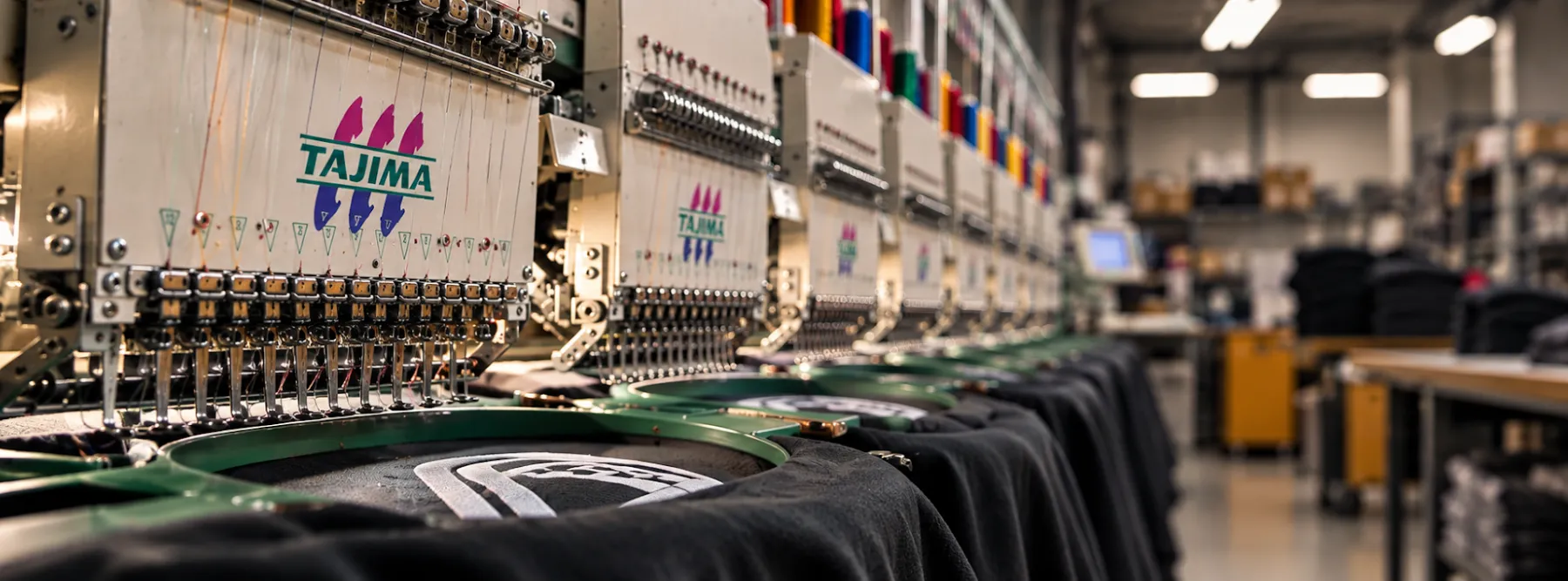
Great Embroidery Is a System
Ask someone what makes great embroidery and you may hear answers like a great machine, excellent digitizing, the right backing, or an experienced operator.
The truth is, it’s all of them.
Successful embroidery is the result of multiple disciplines working together. Artwork, digitizing, thread, needles, backing, hooping, machine setup, operator knowledge, workflow and production efficiency all contribute to what ultimately comes off the machine.
At MADE Laboratory, we believe understanding those relationships is one of the biggest steps a decorator can take toward producing better embroidery.
It Starts Before the Machine
One of the most important lessons in embroidery is that many production problems actually begin long before the machine starts sewing.
Artwork has to be interpreted for embroidery. Digitizing must account for the garment, thread, stitch direction, density, underlay and the limitations of the embroidery process.
A design isn't simply a collection of stitches. It is a production plan.
Great digitizing anticipates what will happen when needle, thread and fabric interact. When that foundation is correct, production becomes easier. When it isn't, even the best machine operator can spend valuable time trying to compensate for problems built into the file.
Materials Change the Equation
Take that same embroidery design and sew it on a polo, performance fabric, structured cap and sweatshirt, and you can get four very different results.
That is why stabilizers, needles, thread, hooping and machine settings can't be treated as separate topics.
Understanding how the variables interact allows decorators to stop simply reacting to problems and start diagnosing them.
Instead of asking, “Why does this look bad?” we can begin asking better questions: Is the material moving? Is the backing providing enough stability? Is the stitch structure appropriate? Is the needle or thread contributing to the problem?
Technique Creates Opportunity
Once the fundamentals are understood, embroidery becomes much more than putting a logo on a shirt.
Advanced digitizing, appliqué, 3D puff and other special effects allow decorators to create products that stand apart and command attention. But advanced techniques work best when they are built on a solid understanding of the fundamentals.
Creativity and production knowledge have to work together.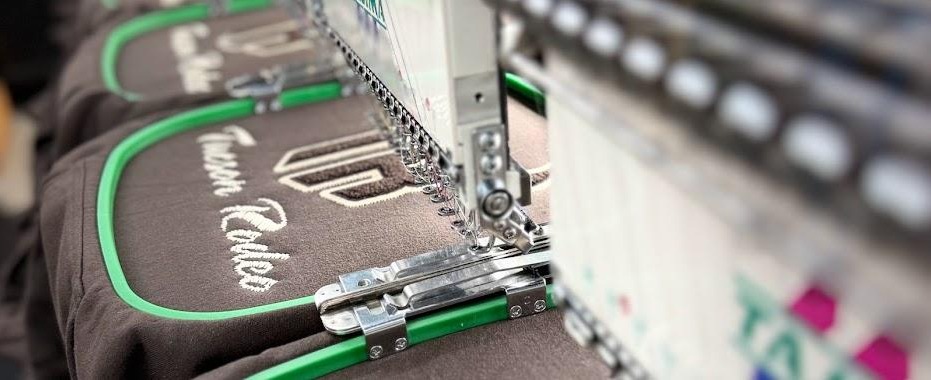
Efficiency Is Part of Quality
Great embroidery also has to make sense in a production environment.
A beautiful design that requires constant machine stops, unnecessary trimming, excessive operator intervention or repeated troubleshooting isn't truly optimized.
The goal is repeatability: creating a process that produces quality embroidery efficiently from the first piece through the last.
Bringing It All Together in Dallas
That connected approach is at the heart of the embroidery education at Impressions Expo Dallas.
From Embroidery Essentials 101 to the MADE Laboratory Stitch Camp sessions exploring the interaction of embroidery variables, stability and backing, advanced digitizing, appliqué, puff and special effects, the goal is to help decorators understand not only how to produce embroidery, but why it works.
Because better embroidery doesn't come from mastering one part of the process.
It comes from understanding how all the parts work together.