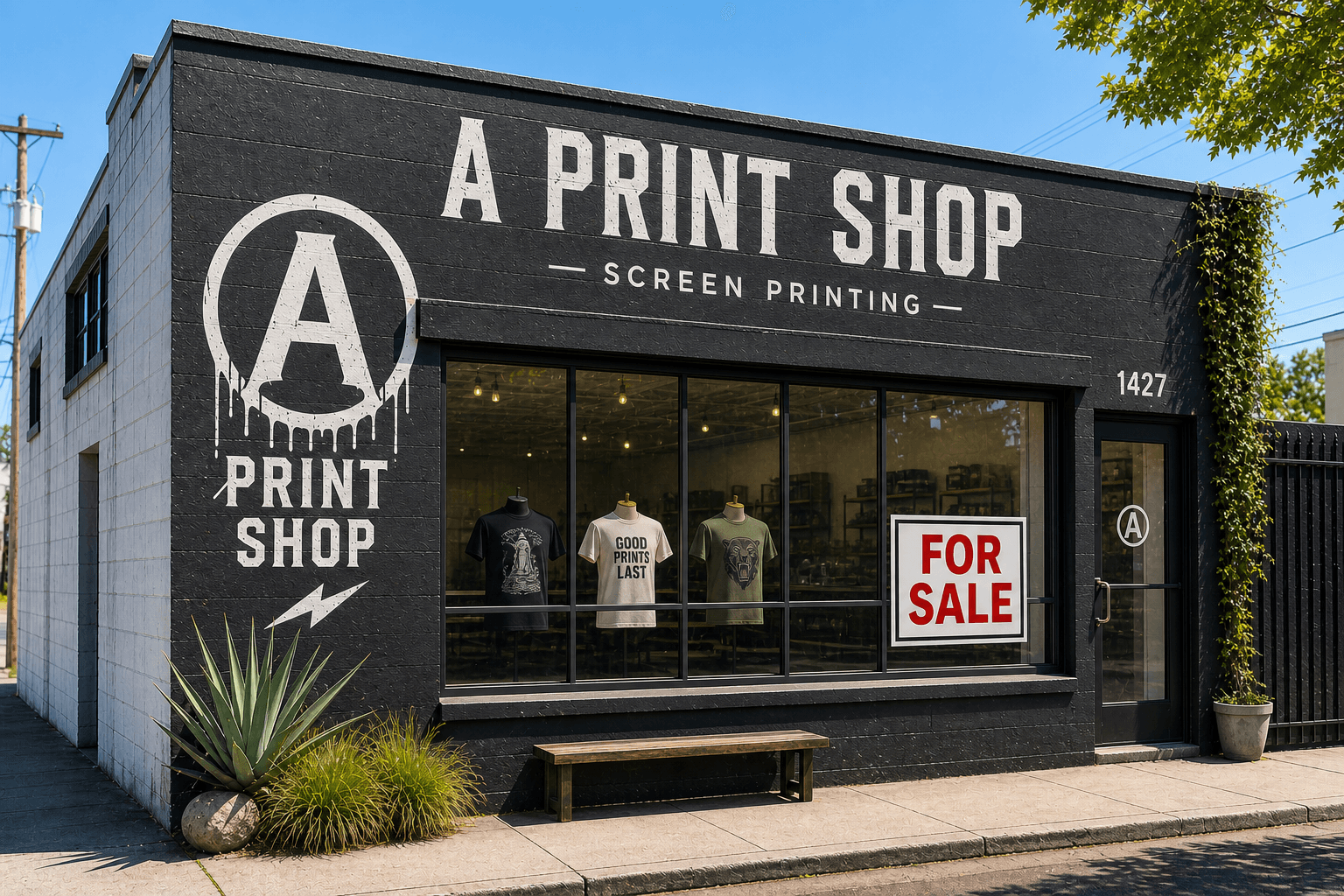
The Branded Apparel Space is experiencing a period of significant transition. Over the last few years, merger and acquisition (M&A) news has dominated headlines, from massive corporate consolidations like S&S Activewear acquiring alphabroder, to numerous transactions among independent decorators [1]. Whether you are a shop owner contemplating an exit strategy or an entrepreneur looking to expand through acquisition, understanding the dynamics of buying and selling a decorated apparel business is crucial.
At MADE Laboratory, we frequently field questions from both sides of the table. Decorators want to know how to value their life’s work, while buyers are looking for the best path to enter or expand in the market. This guide explores the motivations, valuation methods, and deal structures shaping M&A in the decorated apparel space today.
Why Decorators Decide to Sell
The decision to sell a business is deeply personal and often driven by a combination of lifestyle and financial factors. In the branded apparel space, we typically see owners exit for several key reasons:
Retirement and Industry Exit Many shop owners have spent decades building their businesses and are simply ready to retire. The physical demands of the shop floor and the constant pressure of production deadlines take their toll, leading owners to seek a well-deserved exit from the industry.
Transitioning to Employment Owning a business isn’t for everyone. Some decorators realize they love the craft—the screen printing, the embroidery, the design—but dislike the stress of ownership. Dealing with employee management, payroll, taxes, and overhead can be exhausting. These individuals often sell their shops with the goal of returning to the industry as an employee, where they can focus on what they do best without the burden of ownership.
The Need for a Strategic Partner Scaling a decorated apparel business requires a different skill set than starting one. Owners may hit a growth ceiling because they lack the capital, operational expertise, or technological infrastructure to take the business to the next level. In these cases, selling to or partnering with a larger entity provides the resources needed to grow.
Distress and Burnout Economic pressures, such as persistent cost inflation and supply chain disruptions, have challenged many shops [2]. When combined with burnout, some owners find themselves in distress, looking for an exit strategy before the business deteriorates further.
How is a Decorator’s Business Valued?
Valuing a decorated apparel business is both an art and a science. Buyers and sellers must look beyond top-line revenue to understand the true worth of the operation. There are several primary methods used to determine value in this industry:
Asset-Based Valuation
This method calculates the value of the business based on its tangible and intangible assets.
- Tangible Assets: This includes screen printing presses, embroidery machines, DTG/DTF printers, dryers, inventory, and real estate (if owned by the business).
- Intangible Assets: These are often the most valuable components and include the customer list (book of business), brand name, intellectual property (such as website domains and trademarks), and social media presence.
EBITDA Multiples
The most common valuation metric in M&A is the EBITDA multiple (Earnings Before Interest, Taxes, Depreciation, and Amortization). This method values the business based on its cash flow and profitability.
In the branded apparel space, small to mid-sized shops typically see valuations ranging from 3X to 5X EBITDA. The specific multiple depends on factors such as the shop’s size, growth trajectory, customer concentration, and the condition of its equipment. A shop with a diverse, recurring customer base and modern, automated equipment will command a multiple at the higher end of that range.
Revenue Acquisitions
In some cases, an acquirer is primarily interested in the seller’s customer base rather than their equipment or facility. This is common when a larger decorator wants to absorb a competitor to increase market share. In a revenue acquisition, the buyer may offer a multiple based solely on the seller’s annual revenue or the value of the specific “book of business” being transferred.
Structuring the Deal: The Role of Earnouts
It is rare for a business acquisition to be a simple, 100% cash-at-closing transaction. To bridge valuation gaps and mitigate risk, many deals utilize an earnout structure.
An earnout is a contractual arrangement where a portion of the purchase price is contingent upon the business achieving specific performance milestones after the sale [3]. This structure aligns the interests of the buyer and the seller.
Common earnout metrics in the branded apparel space include:
- Client Retention: The seller receives additional payments if key customers remain with the new owner for a specified period.
- Sales Targets: Payments are tied to the business hitting specific revenue goals post-acquisition.
- Operational Effectiveness: The seller is compensated for helping the new owner maintain profit margins or production efficiency during the transition.
- Continued Employment: The seller agrees to stay on for a transition period (e.g., 1-3 years) to ensure a smooth handover of relationships and operational knowledge.
The Buy Side: Build vs. Buy
For those looking to enter the branded apparel space or expand their existing footprint, the fundamental question is whether to build a new facility from scratch or buy an existing operation.
The Pros of Buying
Acquiring an established shop offers significant advantages [4]:
- Immediate Cash Flow: You acquire an existing customer base and revenue stream from day one.
- Turnkey Operations: The equipment is already installed, calibrated, and operational.
- Experienced Team: You inherit a trained staff who understands the equipment and the customers.
- Market Expansion: It is often the fastest way to enter a new geographic market or add a new decoration capability (e.g., a screen printer buying an embroidery shop).
The Cons of Buying
However, acquisitions come with inherent risks [4]:
- Legacy Issues: You may inherit aging equipment that requires immediate capital investment.
- Cultural Clashes: The existing team may have ingrained bad habits or resist new management.
- Customer Flight: There is always a risk that key customers will leave when the business changes hands.
Navigating Your Next Move
The branded apparel space is evolving, and whether you are looking to cash out your chips or double down on growth, understanding the M&A landscape is critical. As industry experts note, we are in a “new normal” of consolidation and opportunity..
At MADE Laboratory, our direct and indirect connections in the industry give us unique insight on guiding decorators through these complex transitions. We understand the unique value of your equipment, your team, and your customer relationships.
If you are interested in exploring your options for acquiring a new shop or preparing your business for a successful sale, we would love to have a discussion.
References
- [1] Apparelist. “Making Sense of M&A Activity in the Apparel Decorating Community.” https://www.apparelist.com/2025/12/22/making-sense-of-ma-activity-in-the-apparel-decorating-community/
- [2] Apparelist. “State of the Decorated Apparel Industry 2025: Key Trends, Risks, and Opportunities Revealed.” https://www.apparelist.com/2025/11/07/state-of-the-decorated-apparel-industry-2025-key-trends-risks-and-opportunities-revealed/
- [3] Forbes. “Understanding Earnouts In Mergers And Acquisitions.” https://www.forbes.com/sites/allbusiness/2021/06/26/understanding-earnouts-in-mergers-and-acquisitions/
- [4] Screen Printing Pro. “Should You Buy a Screen Printing Business? Exploring the Pros and Cons.” https://screenprinting.pro/should-you-buy-a-screen-printing-business-exploring-the-pros-and-cons/