There’s a learning curve when moving from plastisol to water-based inks, and that curve gets steeper when you’re working with high-solids acrylic (HSA) formulas. HSA inks give beautiful results, but they demand precision, consistency, and a very different approach than what plastisol printers are used to.
I recently ran an 8-color water-based job using Avient HSA inks, and while it turned out solid in the end, there were some very real challenges along the way. Here’s what I’d tell any plastisol-based shop owner or press op who’s looking to level up with water-based printing—what to expect, how to prepare, and how to avoid the typical pain points.
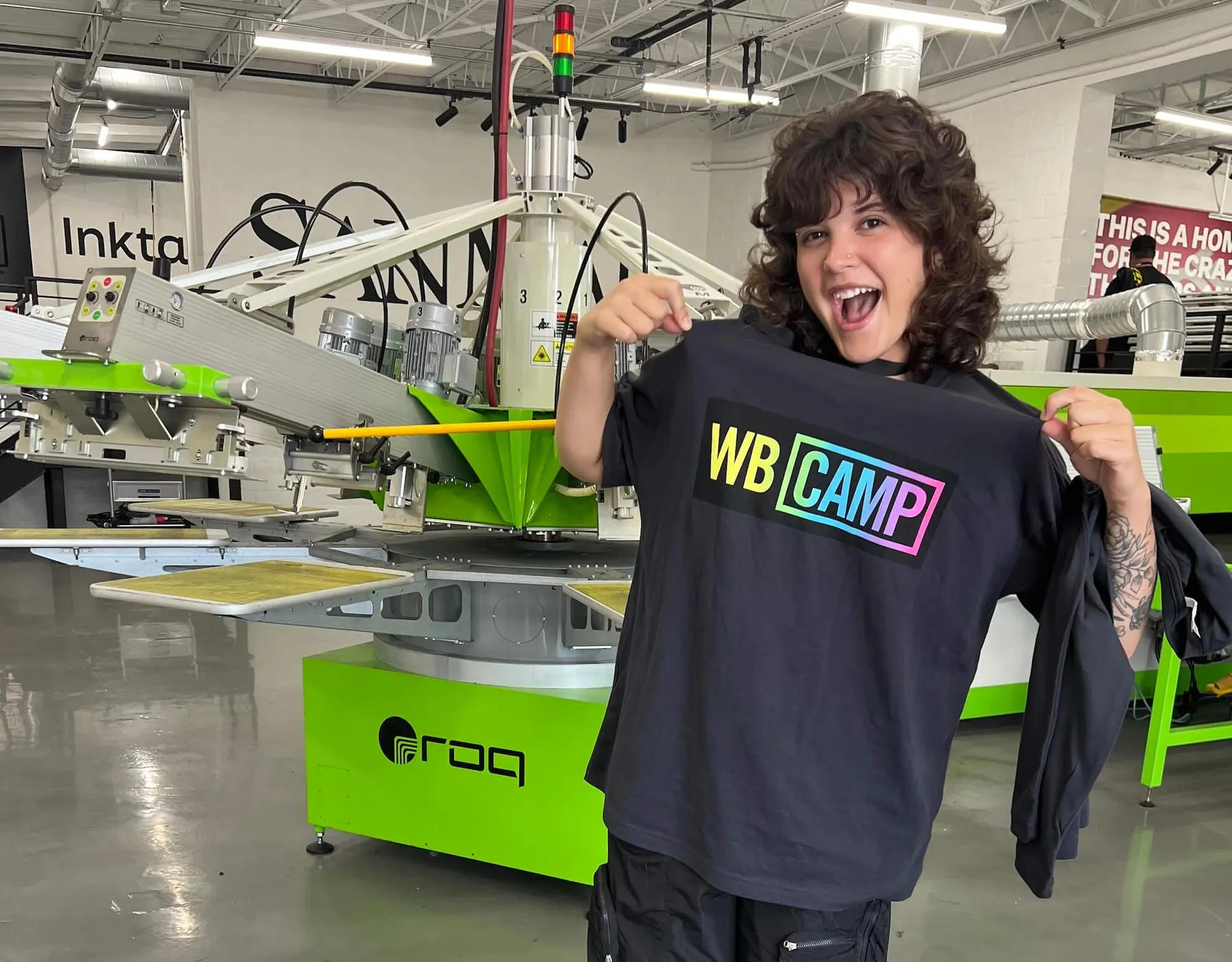
Also, if you’re serious about mastering WB, checkout to WB Camp. It’s MADE Lab’s hands-on workshop in Orlando Florida. I wish I had made time for it back in 2022 when I worked at Shirt Kong but luckily, the next one is coming up—check it out here: WB Camp 2025
1. Your Emulsion Needs to Match the Ink System
With water-based, and especially HSA inks, your screen emulsion choice is critical. If you’re using a general-purpose emulsion without a hardener, you’ll start seeing breakdown pretty early into a job—especially on multi-color runs.
Pro Tip: Use a water-resistant emulsion (or harden the one you’re already using), and always post-expose. It’s a simple move that can make your screens last longer under harsh WB conditions.
2. Watch Your Heat Management—It Will Bite You
Multiple flashes, long dwell times, synthetic garments (like poly or Dri-Fit), and environmental heat can all compound into a major issue: ink drying in the screen. Water-based inks are heat-sensitive by nature, and HSA is even more unforgiving.
Pro Tip: Rotate hot platens, use cooling fans, lower flash temps if you can, and avoid overheating your pallets. Performance poly holds more heat than you think—it’ll sneak up on you.
3. Make Use of Your Auto Flood Settings
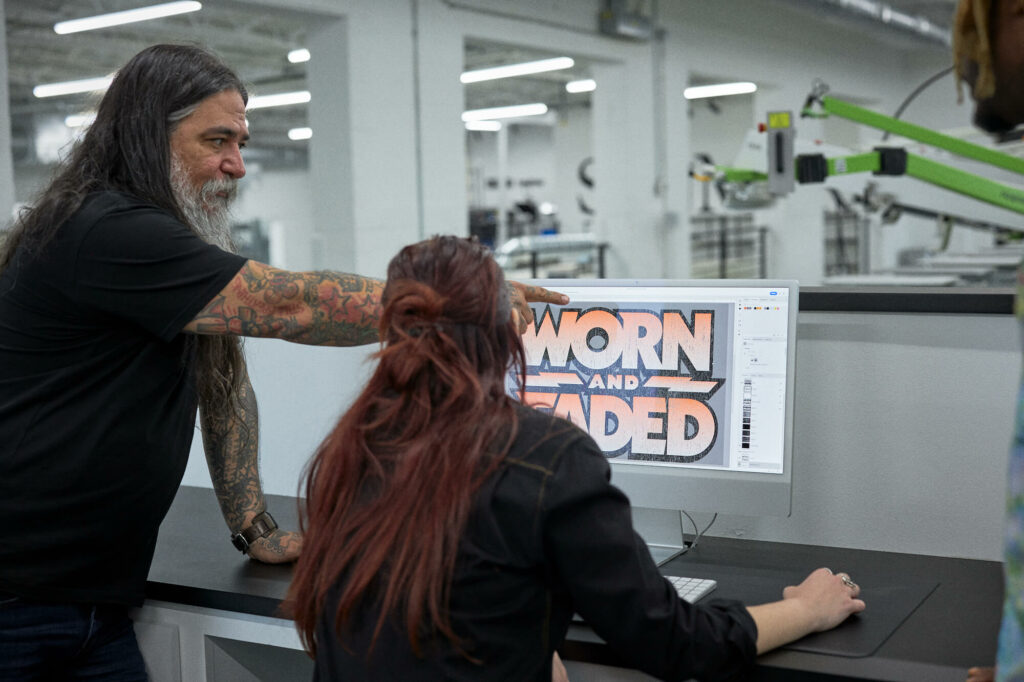
If your press has a “No Clean” or auto-flood feature, use it—especially during setup and test runs. One of the biggest drying risks comes from letting ink sit motionless in the screen while you’re dialing in registration or making micro tweaks.
Pro Tip: Flooding keeps the mesh covered, keeps ink moving, and buys you time. It’s a simple setting that can prevent major screen clogs.
4. Don’t Sleep on Foggers or Humidity Control
Slowing down during a job? Stepping away during setup? Those quiet moments are when water-based ink starts curing in your screen. A fogger or humidifier around the press can drastically help maintain open time.
Pro Tip: A cheap fogger can make all the difference on longer runs or setups, especially if you’re running multi-color on a slow-paced production schedule.
5. Flood Bar Height & Ink Load Matter—A Lot
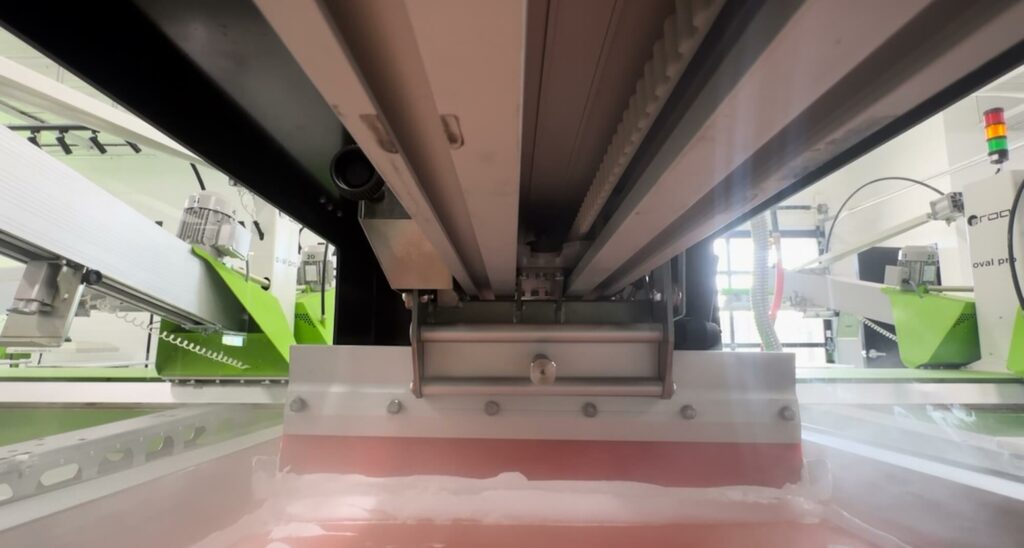
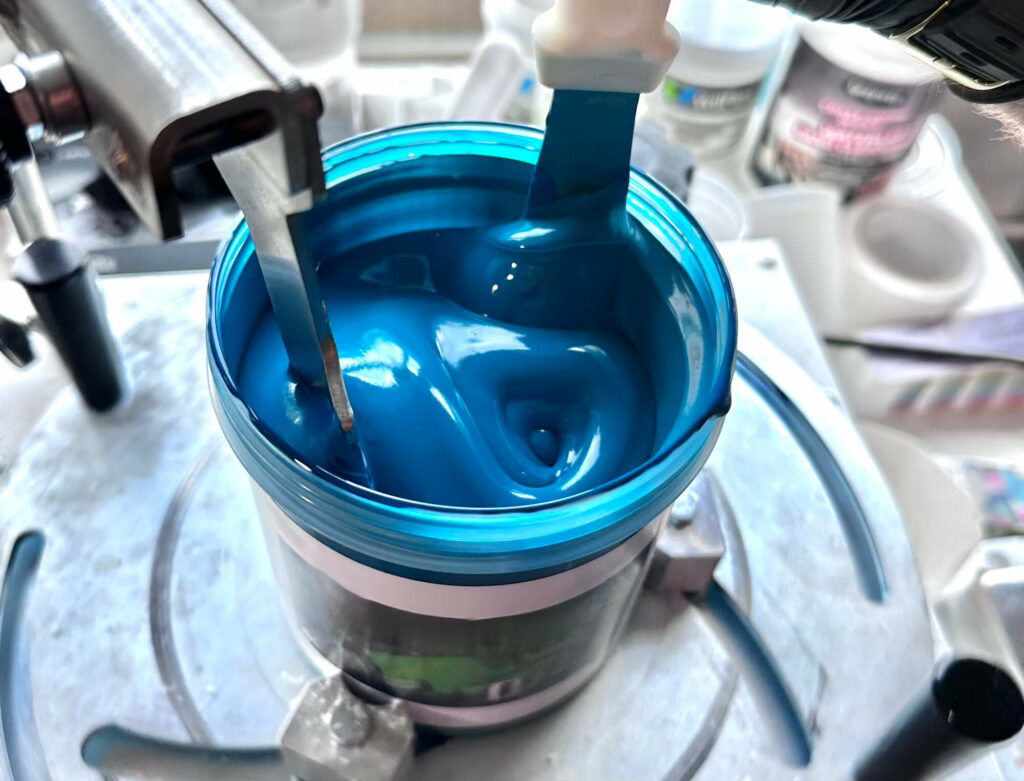
One of the biggest issues with water-based inks (especially HSA) is drying in the mesh. A big contributor? Not having enough ink in the screen and not keeping the image area properly flooded between strokes. If your flood bar is set too high or your ink deposit is too low, you’re basically inviting the ink to dry in place.
Pro Tip: Keep a healthy amount of ink in the screen, and make sure your flood bar is set low enough to fully cover and saturate the image area with each flood stroke. It’s not just about volume—it’s about coverage. A consistent, complete flood prevents dry spots, clogs, and downtime.
6. Use Retarders When You Need Them
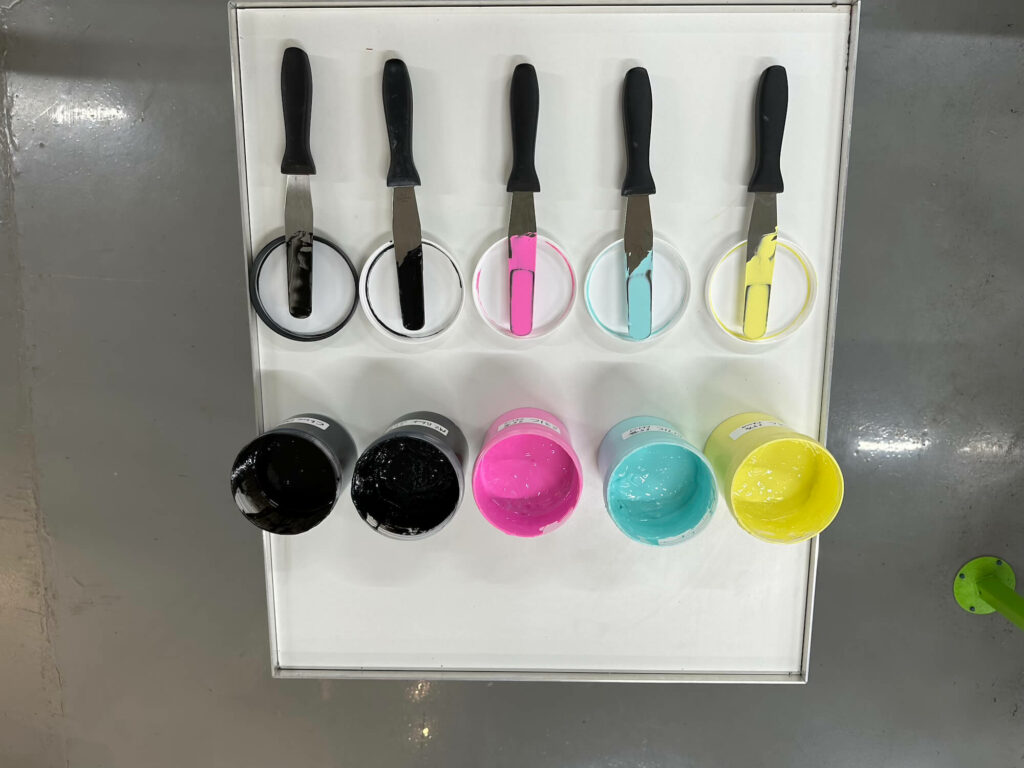
Retarder additives are your safety net. They slow the drying process and extend open time, which can be the difference between a smooth run and an hour of screen reclaim.
Pro Tip: If your press environment runs hot or you’re doing longer setups, mix in a little retarder. It won’t affect opacity or feel if dosed correctly, and it saves a ton of cleanup time.
7. Garment Selection Plays a Huge Role
Lightweight synthetics and moisture-wicking fabrics retain heat and don’t release it quickly. That added heat contributes to ink drying and ghosting problems—especially when running HSA.
Pro Tip: If you’re new to water-based printing, start with cotton or blends before jumping straight into performance wear. You’ll have a more forgiving experience while dialing in your process.
8. Talk to Your Ink Rep (or Phone a Friend)
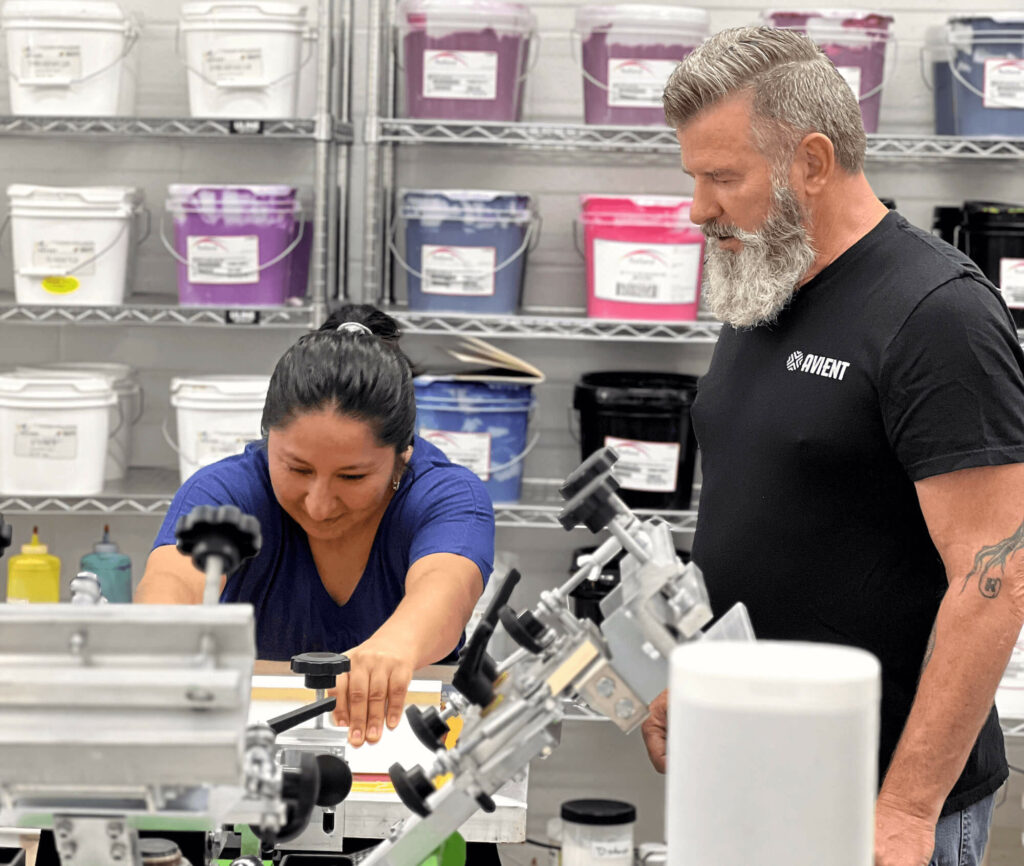
Water-based printing isn’t something to wing. Avient makes excellent HSA inks, but there’s nuance in how you prep, mix, and run them. Reaching out to someone who knows the system can save you a lot of trial and error.
Pro Tip: Whether it’s your ink vendor or a buddy like Ray or John who’s been through it, just pick up the phone. The best water-based advice I’ve ever gotten came from a five-minute conversation—not a manual.
Final Thoughts: If You’re Going to Do It, Do It Right
Water-based ink printing is about preparation. That means dialing in your screens, controlling your press environment, and understanding the chemistry of the ink system you’re using. It takes more work than plastisol—but the payoff in print quality, softness, and eco-profile is huge.
If you want to learn it the right way, go to WB Camp: https://madelab.io/event/WBCamp2025. It’s a full hands-on training experience that’ll walk you through every piece of the process—from art and screen prep to ink systems and press operation.
Kyle Caldwell